
The Partnership Every Child Needs: Home, Church, & School

Children benefit when the most important adults in their lives are singing the same song. Home, church, and school each contribute a different part, but together they can offer a coherent message about truth, identity, responsibility, grace, and hope.
The home is the center of a child’s daily formation. Parents establish the rhythms, relationships, boundaries, and examples that children experience most consistently. Deuteronomy 6 describes God’s words being discussed at home, on the road, at bedtime, and in the morning. Spiritual formation is woven into ordinary family life.
The local church has a role no school can replace. The church gathers God’s people for worship, biblical teaching, prayer, service, and life across generations. Children need to know that Christianity is larger than their family and larger than their school. They belong to the body of Christ, where people of different ages, backgrounds, and gifts learn to serve one another.
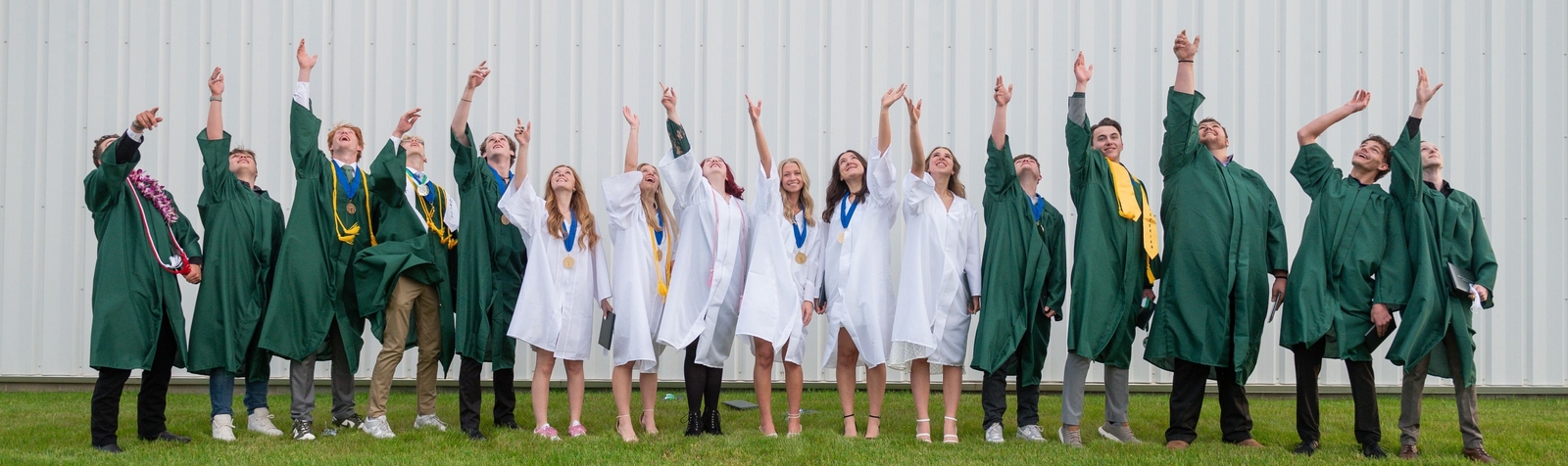
A Christian school contributes sustained academic and relational formation. Students spend up to 17,000 hours with teachers and classmates! In this setting, faith can shape the way students investigate creation, read literature, understand history, compete in athletics, resolve conflict, and develop their gifts. The school reinforces a Christian vision while giving students regular opportunities to practice it.
Partnership does not mean those three institutions will always communicate perfectly or agree on every secondary matter. It does mean we approach one another with humility, charitable assumptions, and a shared concern for the child. When a question arises, direct and timely conversation is far healthier than allowing frustration or incomplete information to grow.
Parents strengthen this partnership when children hear them speak respectfully about teachers, pastors, and leaders. Respect doesn’t prevent honest concern; it shows children how Christians pursue clarity and resolution. Schools and churches likewise serve families best when they listen carefully, communicate clearly, and remember that parents know their children in ways schools or churches cannot.
No one part can carry the entire responsibility of forming a child. The home cannot outsource discipleship, the church cannot become optional, and the school cannot treat faith as a separate department. When these communities work together, children receive something increasingly rare: a consistent and credible vision of life under the lordship of Christ.
More Than A Meeting: Building Community, Growing Disciples
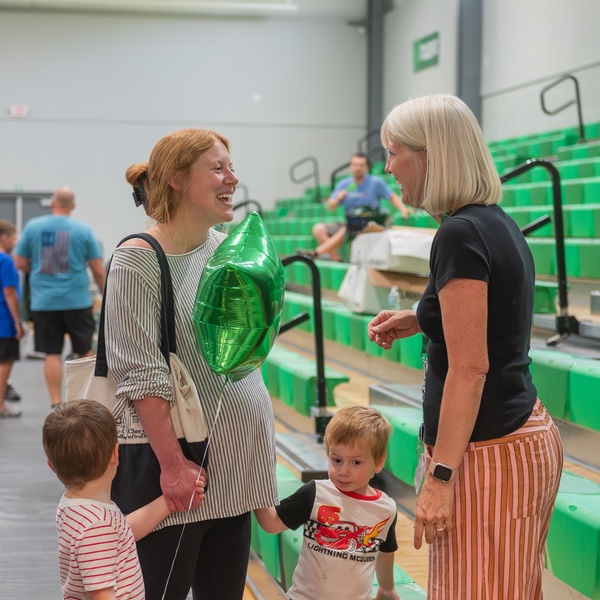
Parent-teacher conferences on November 6th will soon be here. These days are about much more than grades, academic progress, or classroom performance. They are an opportunity to strengthen one of the most important partnerships in education: the relationship between our teachers and families. We believe that education is rooted in the biblical call to “bring them up in the discipline and instruction of the Lord” (Ephesians 6:4) and our team at Calvary works alongside our families towards that end. When parents and teachers come together, we build relationships that are grounded in trust, encouragement, and a shared commitment to helping each child grow into the person God has created them to be.
Every child is uniquely created by God, with individual gifts, strengths, challenges, and opportunities for growth. Psalm 139:14 reminds us that we are “fearfully and wonderfully made.” These conferences provide a valuable opportunity to celebrate a student's achievements, recognize their God-given strengths, and honestly discuss areas where additional growth is needed. These conversations extend beyond academic success. Together, we can consider how a child is developing spiritually, socially, emotionally, and intellectually. Proverbs 27:17 tells us, “Iron sharpens iron, and one man sharpens another.” Through meaningful conversations, parents and teachers can encourage one another, share insights, and develop intentional ways to disciple and nurture each student.
Ultimately, our desire is for parent-teacher conferences to be an exercise that builds the muscle of connectedness. If these conferences can help build rhythms of connecting (even outside of official parent-teacher conferences) students win. When families and teachers work together, we are better equipped to guide students through challenges, celebrate their victories, and point them toward Christ in every area of life. Our mission is more effectively pursued when teachers and parents aren’t working independently but through a community united around a shared purpose. As we gather for conferences, our prayer is that these conversations deepen relationships, strengthen our partnership, and help us more intentionally prepare the next generation to know, love, and follow Jesus.